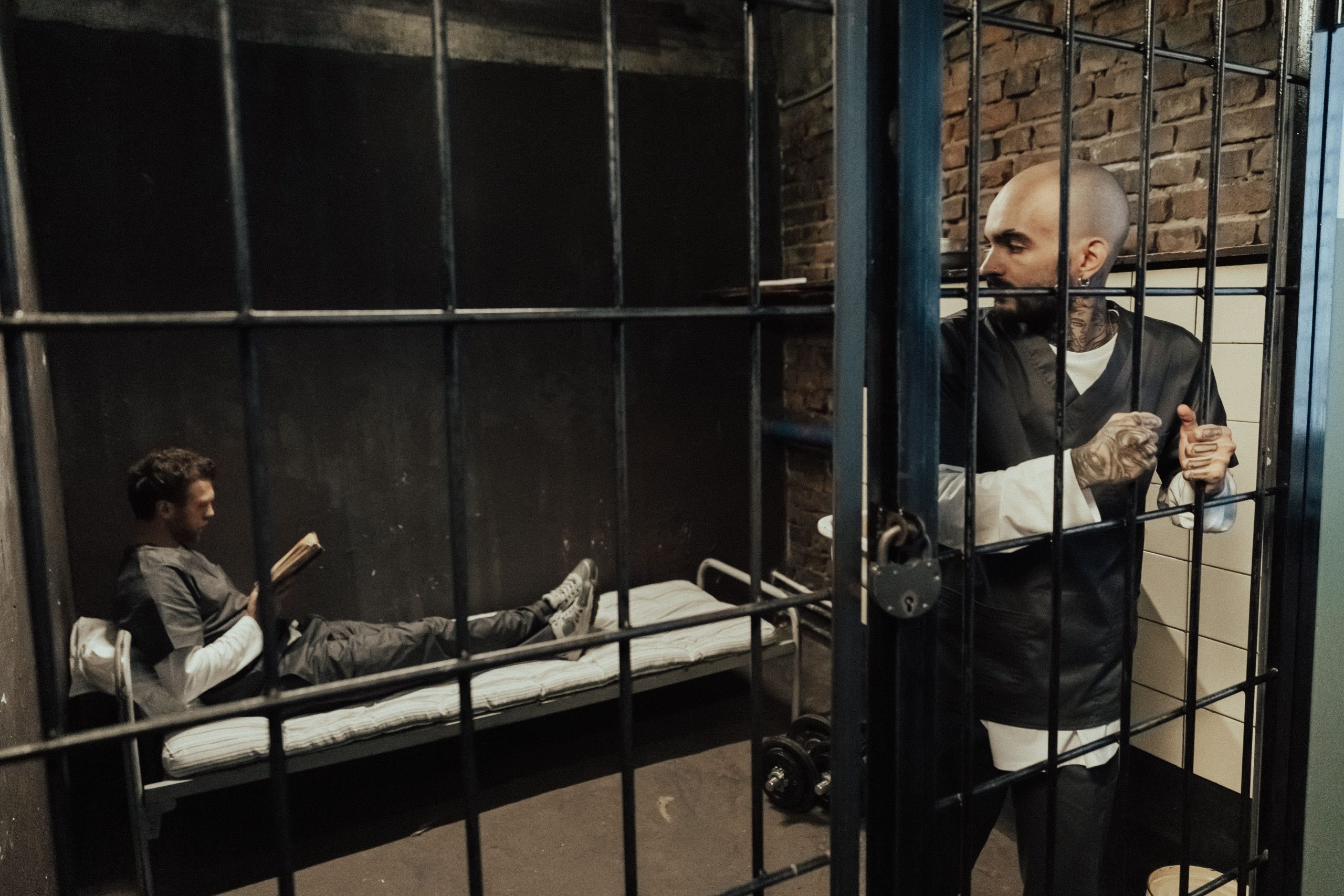
Exploring Conditions and Support for Two Spirit Individuals in Canadian Prisons
The experiences of Two Spirit individuals within the Canadian correctional system highlight significant concerns regarding safety, inclusivity, and support. Recent reports indicate that some Two Spirit people incarcerated in men’s prisons face challenges such as sexual harassment, violence, homophobia, and racism. These issues underscore the urgent need for specialized advocacy and the development of facilities that better accommodate gender-diverse populations.
Understanding the Unique Needs of Two Spirit Incarcerated Individuals
Two Spirit is a culturally specific identity recognized by many Indigenous peoples in Canada, embodying a distinct spiritual and cultural role that combines aspects of gender and sexual identity. When Two Spirit individuals are incarcerated, they often encounter environments that are not equipped to respect or accommodate their identities. This can lead to heightened vulnerability, exposure to discrimination, and unsafe living conditions.
Current Challenges in the Correctional System
Many gender-diverse individuals, including Two Spirit persons, are placed in traditional male or female facilities without regard for their gender identity. Such placements can increase risks of harassment, abuse, and violence. Despite legal frameworks aimed at protecting human rights, gaps persist in ensuring safe and inclusive environments within correctional institutions.
Advocacy and Support Resources
Several organizations and initiatives work to address these issues by advocating for the rights and well-being of Two Spirit and gender-diverse incarcerated individuals:
-
Canadian Indigenous Women’s and Gender Diverse Organizations: These groups focus on culturally sensitive advocacy, often working towards creating safer spaces within correctional or community settings.
-
Prison Reform and LGBTQ+ Advocacy Groups: Organizations such as the Canadian Civil Liberties Association and Egale Canada work toward policy changes that enhance protections and support alternatives to incarceration for gender-diverse persons.
-
Specialized Detention Facilities: While there are limited facilities explicitly designed for transgender or gender-diverse inmates, some prisons are beginning to implement policies that allow for placements aligning with an individual’s gender identity, alongside increased training for staff on LGBTQ+ issues.
Seeking Safer Alternatives
Given the current challenges, some individuals and their families consider relocating to safer environments or facilities that can provide appropriate support. Options may include:
-
Transferring to institutions that have specific policies for gender identity and expression.
-
Connecting with community organizations that assist incarcerated or formerly incarcerated Indigenous and Two Spirit individuals.
-
Exploring placement options across different jurisdictions within Canada, considering the varying levels of inclusivity and support.
Moving Forward
The conversation around the rights, safety, and representation of Two Spirit individuals in the correctional system continues to grow. It is essential to advocate for systemic reforms that recognize and respect gender identities, prioritize safety, and provide culturally appropriate support. Stakeholders—government agencies, correctional institutions, advocacy groups, and communities—must collaborate to develop policies and facilities that uphold the dignity and rights of all individuals, regardless of gender identity or cultural background.
Conclusion
Addressing the needs of Two Spirit individuals within the Canadian correctional system requires ongoing dialogue, policy reform, and dedicated support services. Ensuring safety, respect, and culturally competent care not only benefits those directly affected but also strengthens the integrity and humanity of the justice system as a whole.