Addressing the Disconnect: The Urgent Need for Fair Wages and Housing Solutions in Vancouver
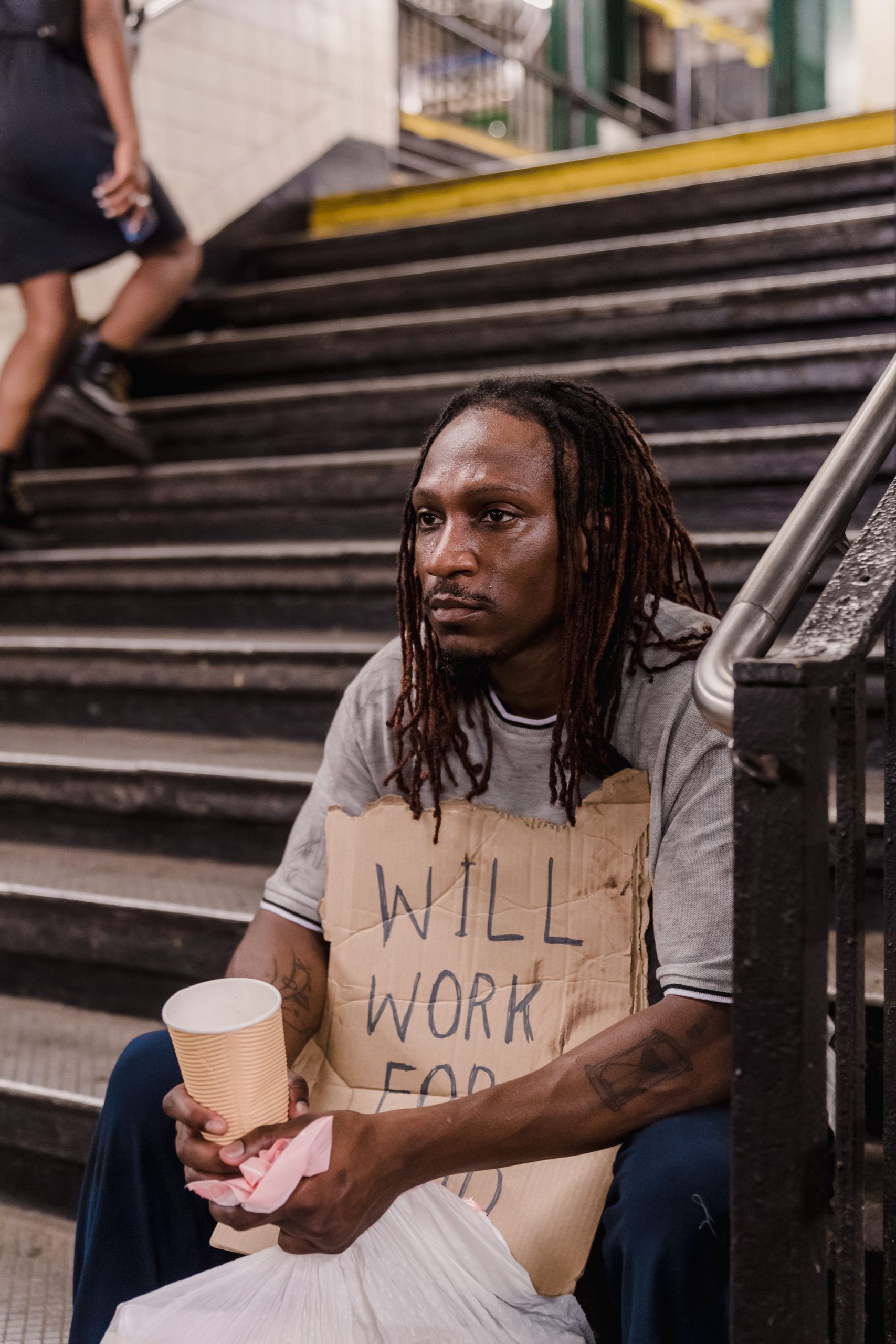
In many urban centers around the world, including Vancouver, a troubling paradox persists: individuals working full-time hours are still struggling to secure basic necessities such as food, shelter, and electricity. This situation raises critical questions about economic policies, labor practices, and societal priorities that warrant our collective attention.
The Demand for Workers and the Housing Crisis
Vancouver’s thriving economy and bustling businesses—ranging from retail outlets to service industries—depend heavily on a dedicated workforce. Even at minimum wage, these workers form the backbone of the local economy. Yet, a stark mismatch exists between wages earned and the cost of living, particularly housing. The city’s real estate market remains prohibitively expensive, making stable housing an elusive goal for many workers.
The Moral and Economic Imperative for Fair Compensation
It is reasonable to ask: at what point does the expectation of basic living standards become an “extreme” stance? Ensuring that employees can afford food, shelter, and utilities is fundamental, not a fringe or radical suggestion. A society that permits hardworking citizens to face homelessness or hunger undermines its own economic stability and moral integrity.
Advocating for Change
Addressing this crisis requires a multifaceted approach—raising wages, increasing affordable housing options, and implementing supportive policies. Providing a living wage that correlates with the city’s cost of living is essential to ensure that full-time workers can maintain dignity and self-sufficiency.
In conclusion, no one who dedicates 40 hours a week to their job should be forced to confront homelessness or starvation. Recognizing this gap is the first step towards creating a fairer, more equitable community where hard work truly pays off—both in income and in quality of life.