Understanding Local Regulations and Responsible Pet Ownership: Can You Keep a Stray Cat in Your Neighborhood?
Urban and suburban communities often face common questions regarding the care and management of stray or semi-owned animals. If you’ve found yourself in a situation similar to many pet lovers—forming a bond with a stray cat that regularly visits your yard—it’s essential to understand the legal and ethical considerations involved in deciding whether to keep the animal.
Case Scenario: Bonding with a Local Stray Cat
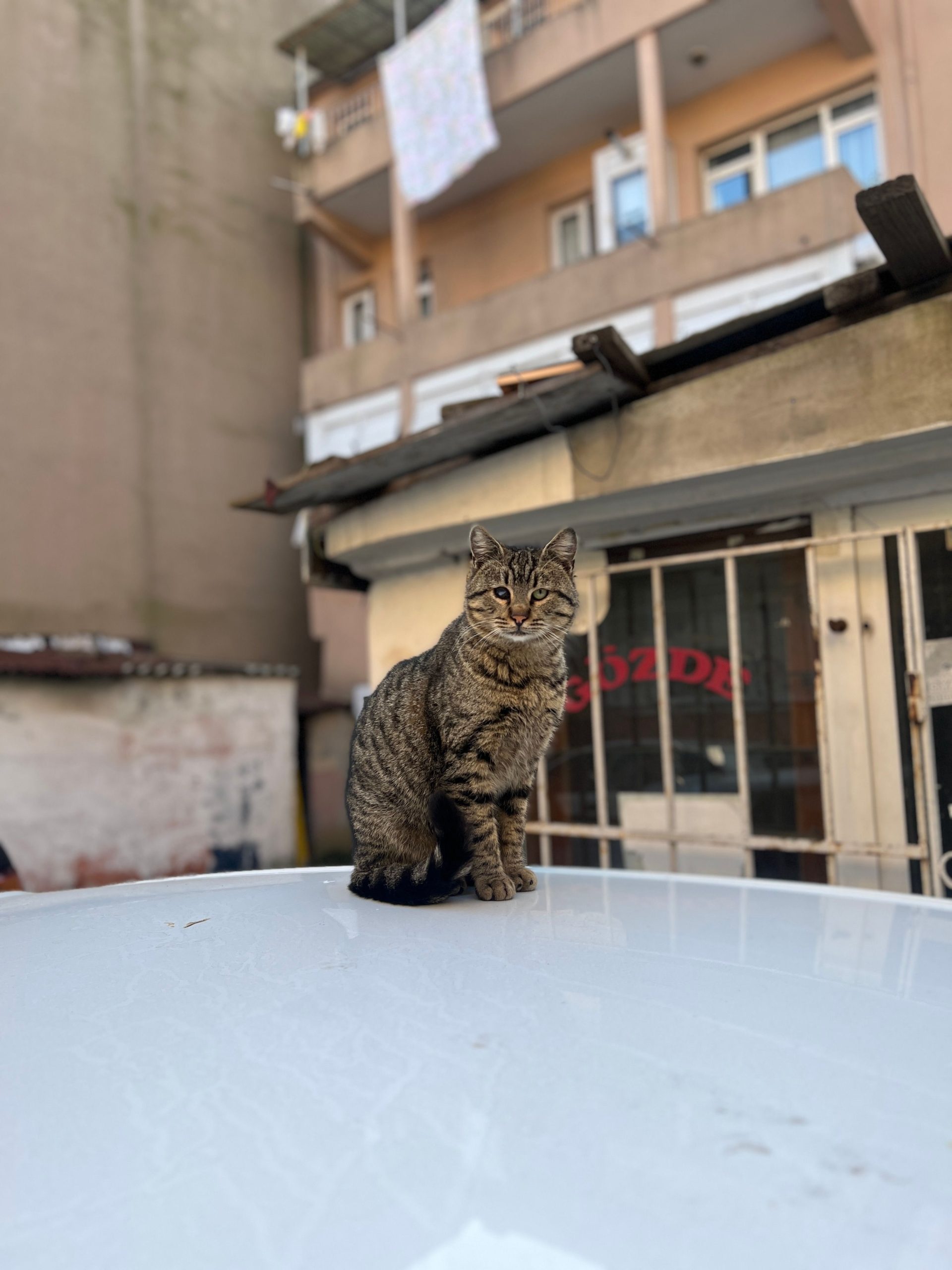
Imagine living in a small community in Toronto, where a cat has frequented your backyard consistently for over a year and a half. Initially, you assumed the cat belonged to someone nearby, so you didn’t offer food. However, as she continued to stay in your yard daily, you began providing her with nourishment. Over time, she tried to enter your home daily, often returning at night to sleep in your yard. You notice she’s often thin and seems to be hungry, especially during colder months, raising concerns about her well-being.
Discovering the Owner and Recognizing Responsibility
Attempts to identify the cat’s owner—such as checking for microchips or posting a photo online—have been inconclusive. Someone nearby indicates that the cat’s owner resides nearby and considers her “just an outdoor cat.” Despite this, the cat’s consistent presence, apparent distress, and the approaching winter suggest a need for a more compassionate response.
Legal and Ethical Considerations
Before deciding to keep a stray or semi-owned cat, it’s vital to familiarize yourself with local laws and regulations related to pet ownership:
-
Microchipping and Registration:
In Toronto and many other jurisdictions, cats should have valid microchips and registration for identification. The absence of a microchip in this case complicates ownership claims and highlights the animal’s uncertain status. -
Municipal Animal Control Laws:
Many cities have regulations regarding stray animals, including requirements for stray management and euthanasia policies. It’s essential to consult local bylaws or municipal animal services to understand what is permissible. -
Responsibility and Welfare:
Providing ongoing care to a stray cat involves considerations such as feeding, shelter, and veterinary care, including vaccinations and spaying/neutering. Prolonged outdoor living can be perilous for cats, especially during harsh winters.
Making an Ethical Decision: To Keep or Not to Keep
Based on the scenario described:
- The cat appears to have developed a close bond with you, regularly sleeping in your yard and seeking access to your home.
- She shows signs of starvation and vulnerability during cold weather.
- Her owner remains unresponsive or indifferent to her well-being.
In situations like this, many animal welfare experts advocate for adopting the cat if feasible, provided you’re prepared for the responsibilities involved. Alternatively, working with local shelters or rescue organizations can facilitate proper veterinary care and find her a permanent, indoor home.
Precautions and Recommendations
- Assess Your Capacity: Make sure you’re ready to provide ongoing care, including food, shelter, and veterinary visits.
- Legal Compliance: Confirm with local authorities about licensing, licensing renewal, and any restrictions.
- Animal Welfare: Before bringing her inside, ensure she is healthy and free of contagious diseases. A vet visit is highly advisable.
- Find a Permanent Solution: Consider adopting her officially or working with rescue groups to find her a loving, indoor home.
Conclusion
Deciding whether to keep a stray or semi-owned cat in your neighborhood involves balancing compassion, legal responsibilities, and practical considerations. In cold climates like Toronto, ensuring the safety and well-being of a vulnerable animal is paramount. If you feel inclined and capable, providing a safe indoor environment can give the cat a second chance at a happy, healthy life. Always consult local regulations and consider working with animal welfare professionals to ensure your actions align with community standards and the best interests of the animal.
If you find yourself in a similar situation, remember that responsible pet ownership is not just a personal choice but also a community matter. Thoughtful, informed decisions can significantly impact the life of a stray animal and contribute to a compassionate community culture.