Reflections on the Recent Investment Summit Protests: A Perspective on Canada’s Economic Strategy
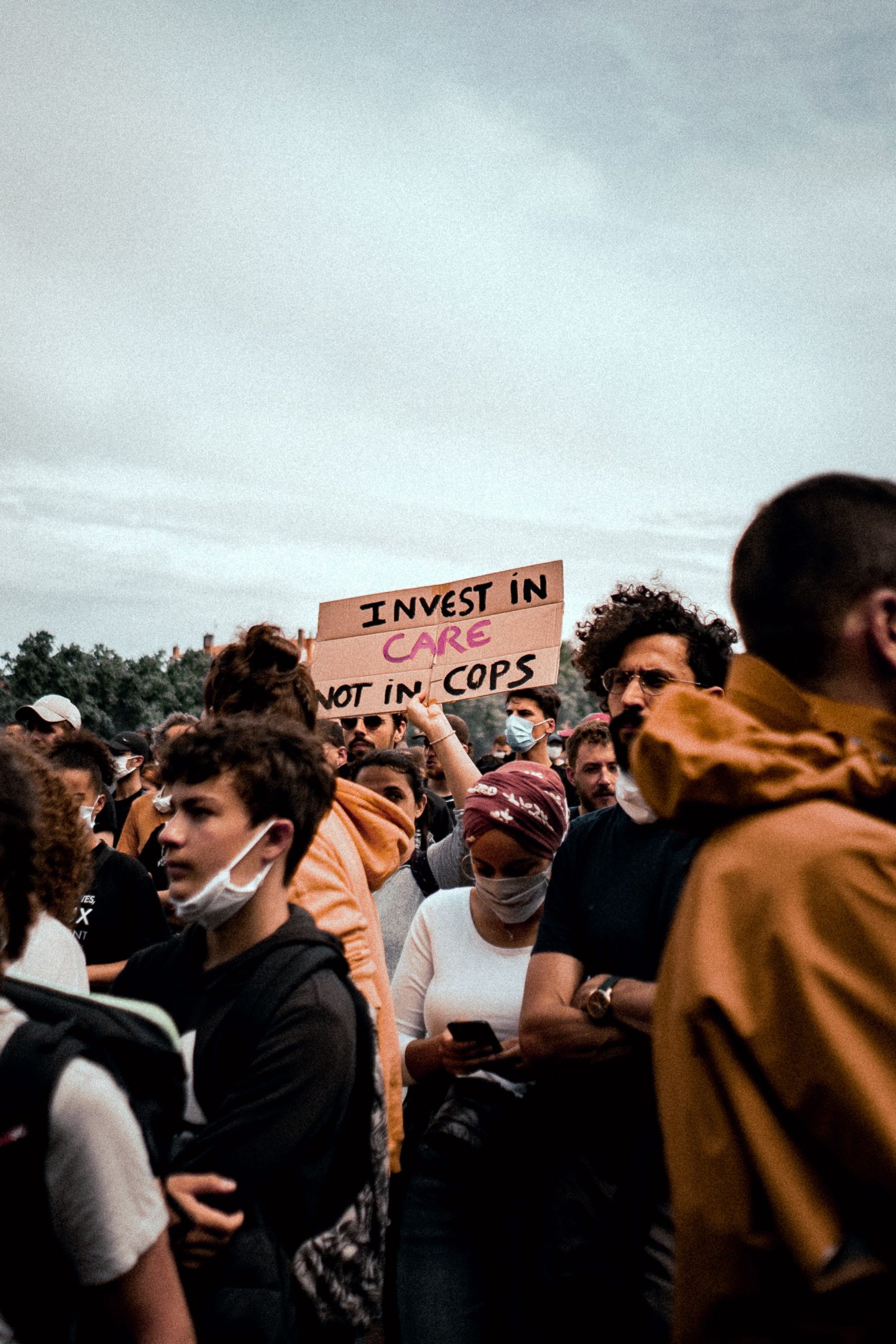
The recent protests in Toronto during the Investment Summit have sparked a mix of reactions, prompting broader discussions about Canada’s economic direction and national priorities. While civic engagement and holding government accountable are vital aspects of a healthy democracy, some observers have expressed concerns about the timing and focus of these particular demonstrations.
Our economy is intricately linked to the United States, which remains our most significant trading partner. The federal government has been actively working to mitigate economic vulnerabilities, especially amidst geopolitical tensions and internal challenges. For instance, conversations around Alberta’s rising separatist sentiment introduce additional complexity, highlighting the need for strategic leadership. Politicians from various backgrounds, including figures like Mark Carney, have endeavored to steer Canada’s economic policies toward resilience—by reducing overreliance on U.S. markets and boosting our international stature.
However, the protests observed seemed somewhat disconnected from these strategic interests. Instead of rallying around a unified message to attract investment and foster economic growth—opportunities presented by current U.S. instability—the demonstrations appeared scattered, targeting issues unrelated to the immediate economic context. This approach risks undermining efforts to position Canada as an attractive destination for investors seeking stability and growth, which in turn can generate jobs and bolster our sovereignty.
For those of us who identify as progressives, social issues remain vital. Yet, in a world characterized by late-stage capitalism and intense global competition, pragmatic economic strategies are essential. Canada’s current circumstances demand resilience and adaptability. The rhetoric coming from our southern neighbor increasingly reflects perilous nationalism and confrontational politics, underscoring the urgency for us to prioritize national survival and economic security.
In conclusion, while it is commendable to advocate for social justice and accountability, it is equally important to recognize the strategic importance of attracting foreign investment during times of global uncertainty. Focusing protests on the broader goal of economic strength—such as supporting initiatives that pave the way for diversification and stability—may be more effective than reactions to issues that do not directly influence Canada’s economic trajectory.
About the Author
[Author Name] is a seasoned commentator on Canadian politics and economics, dedicated to fostering informed discussions about the country’s future. With a focus on pragmatic policy solutions, [they] advocate for strategic thinking to ensure Canada’s prosperity and sovereignty in a complex global landscape.