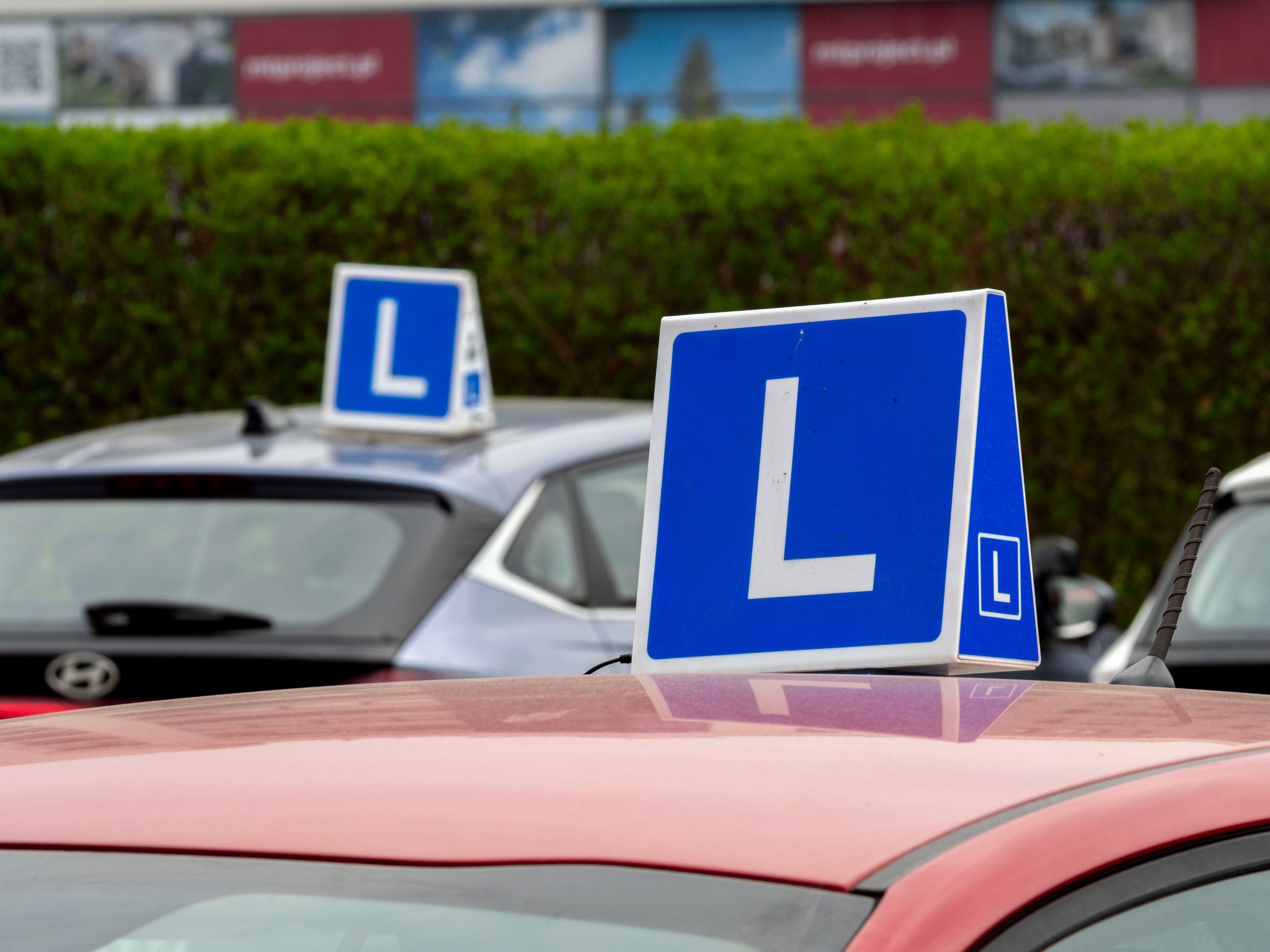
Ontario Set to Be the Last Province with a Two-Stage Road Test for Full Driver’s Licensing
Ontario is on the brink of a significant shift in its driver licensing system, potentially becoming the only province in Canada to require a second comprehensive road test for obtaining a full driver’s license for standard passenger vehicles. A closer look at recent developments across other provinces highlights a broader trend toward streamlining licensing procedures and emphasizing driver responsibility rather than multiple testing stages.
Recent Changes in Other Provinces
British Columbia announced plans to eliminate their second road test by October 2026. Instead, their graduated licensing program will require new drivers to maintain a clean driving record—with no tickets or license suspensions—while holding their Class 7N license (comparable to Ontario’s G2). Once these conditions are met for a designated period, drivers will be automatically upgraded to a full license, accompanied by a set of additional restrictions lasting another year.
For more details, see the British Columbia government’s official update here: https://icbc.com/driver-licensing/new-drivers/graduated-licensing-program-changes
Alberta also adopted similar measures in 2023, removing the secondary road test altogether. Instead, driver progression relies on a clean record—absence of tickets or suspensions—mirroring B.C.’s approach. Additionally, drivers in Alberta with a Probationary Class 5 license (their equivalent to Ontario’s G2) can renew it indefinitely, provided they maintain a clean record, rather than being required to upgrade to a full license through another test.
Understanding the Licensing Differences Across Provinces
In Ontario, G2 license holders are restricted and cannot typically renew or extend their license without progressing to a full G license—effectively requiring another testing process. Conversely, provinces like Alberta and British Columbia allow drivers to remain on their intermediate licenses for as long as they maintain good driving behavior, renewing without the need for further testing. This approach reduces barriers for safe drivers but also raises questions about the effectiveness of certain testing requirements.
Cost and Practical Implications
Before Alberta eliminated the second road test, approximately 500,000 drivers chose to remain on their G2-equivalent license, often due to the minimal difference between a restricted and full license, as well as the $150 cost associated with taking the test. Many drivers perceived little benefit in spending money on a test that offered limited additional privileges.
Debate and Personal Perspectives
The leading question remains: should Ontario follow suit and eliminate the second road test, aligning with other provinces?
Some suggest integrating highway driving components, currently covered in the G modified test, into the G2 examination, paired with a mandatory period of clean driving records before upgrading. This adjustment could better assess real-world driving skills and promote safer driving behaviors. However, such changes would likely require stricter enforcement of existing traffic laws, given concerns about lax rule adherence currently—such as speeding, tailgating, and reckless driving.
Another possible solution is reverting the G test to its pre-2022 format, which included skills like parallel and reverse parking, and a three-point turn, providing a more comprehensive assessment of fundamental driving skills.
Final Thoughts
Ontario’s continued requirement for a second road test places it as the last holdout among Canadian provinces. As other regions move toward more record-based licensing upgrades, Ontario faces questions about efficacy, safety, and fairness in its licensing process.
What do you think? Should Ontario eliminate the second road test in favor of a system emphasizing ongoing responsible driving? Are there better ways to enhance driver training and safety without additional testing? Share your thoughts and ideas—your insights can contribute to an ongoing conversation about modernizing and improving our provincial driving policies.