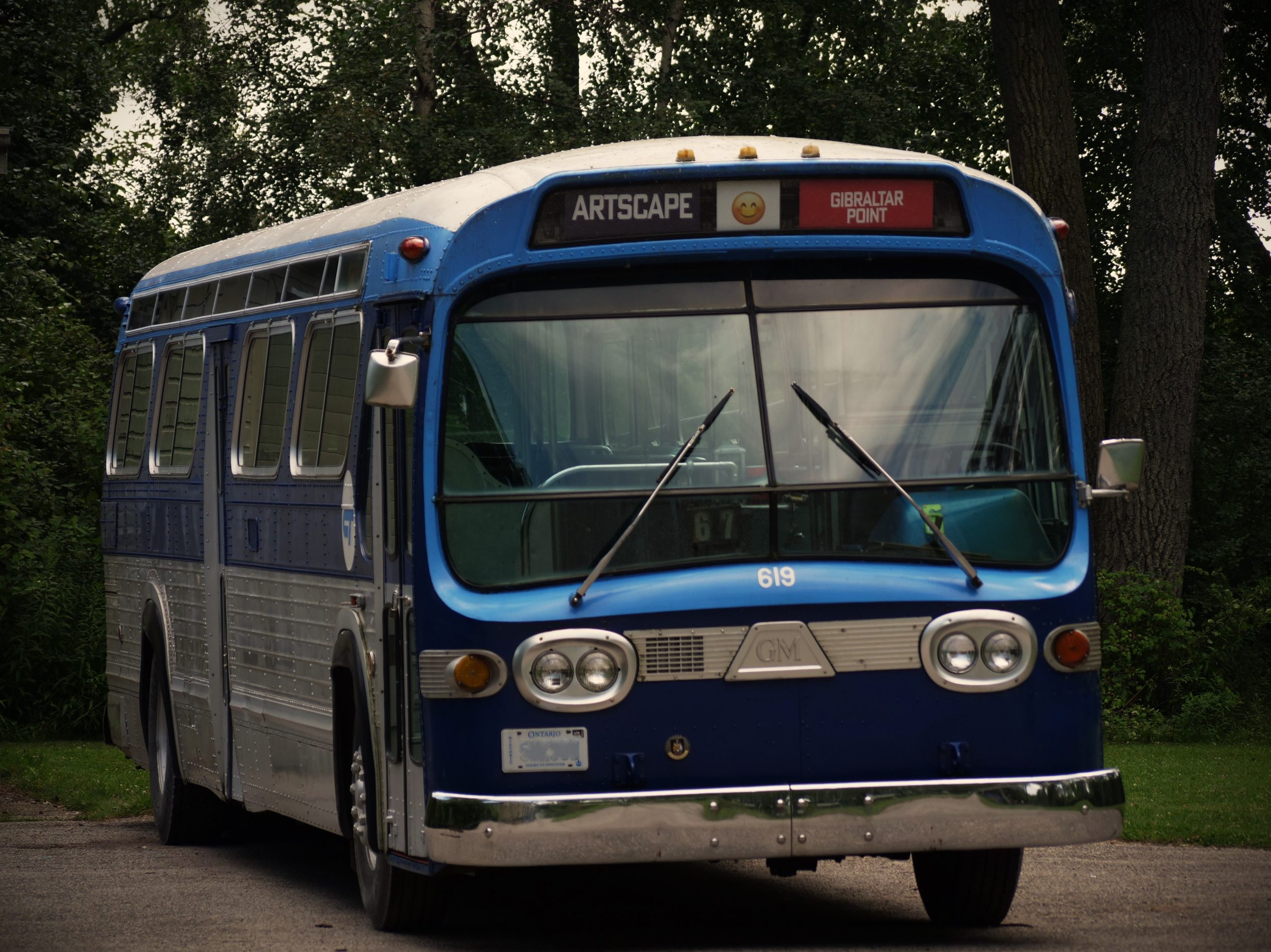
Enhancing Public Transportation in Southern Ontario: Challenges and Opportunities
Public transportation is a vital component of urban and suburban life, providing residents with affordable, efficient, and sustainable mobility options. However, in many parts of Southern Ontario, travelers often encounter significant barriers such as high costs and lengthy travel times, which can discourage the use of public transit and favor personal vehicle use.
A recent exploration of transportation options from North York to Owen Sound highlights some of these challenges. The journey, which covers a considerable distance, takes approximately five hours and costs around $80 one way. An added complication is the requirement to travel first to Toronto Pearson International Airport, which further extends travel time and inconvenience. Such factors can make the trip impractical for many individuals, especially those seeking mid-point meeting arrangements—like meeting in Barrie—that could otherwise reduce travel burdens. Interestingly, driving to Barrie personally involves comparable expenses, emphasizing how high transit costs diminish convenience and economic viability.
Similarly, experiences from earlier years shed light on the broader financial implications of commuting choices. For example, in Oakville in 2020, taking the GO Train to and from work daily amounted to over $400 per month—a sum roughly equivalent to a car loan payment. This significant expense underscores the need for more affordable transit options to make public transportation a feasible alternative for regular commuters.
These examples reflect a broader issue prevalent across Southern Ontario: the need for better integration and connectivity between cities. Current transit infrastructure often fails to adequately serve the diverse mobility needs of residents, resulting in reliance on personal vehicles for economic and practical reasons.
Moving forward, investing in expanded and more interconnected public transportation networks could provide numerous benefits. Improved routes, reduced travel times, and affordable fares would encourage more residents to choose transit, fostering economic growth and reducing traffic congestion and environmental impacts.
Overall, addressing these transportation gaps is crucial for building more accessible, equitable, and sustainable communities throughout Southern Ontario. Strategic planning, increased funding, and innovative solutions are essential steps toward achieving these goals.